Merkado Restock Inventory Without Empty Shelves
Timing, category priority, and potion windows that keep Merkado trays selling through every rush.
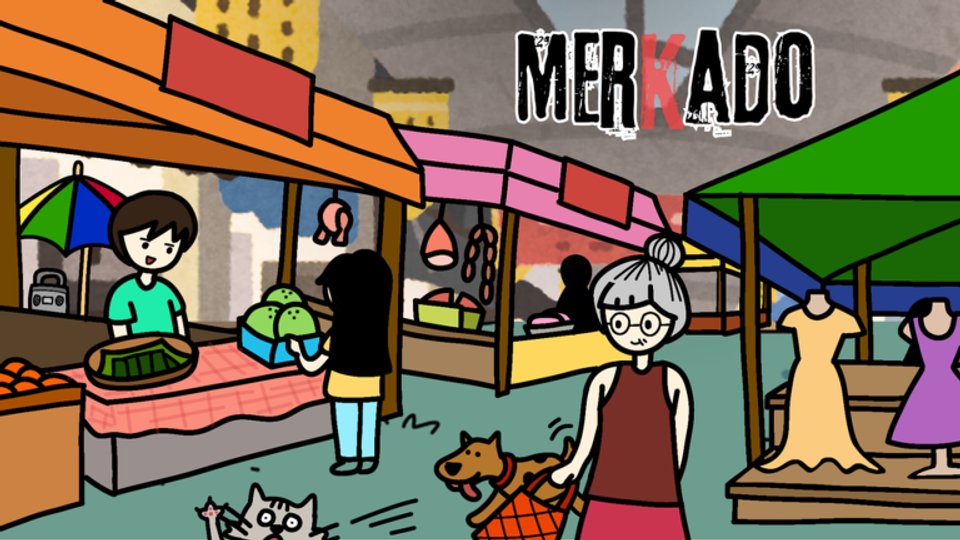
Empty shelves are the quietest way to lose money in Merkado. Customers bounce, tawad never starts, potion timers burn on bare wood, and your “almost upgraded” stall looks abandoned. This guide is the restock playbook for Lokalidad Studio’s Filipino palengke sim: when to leave the counter, what to refill first across seafood, meat, and vegetables, and how to pair inventory runs with Money Potion or Candy Corn during rush hours. Use it with the Tier List Hub, cash routes on Make Money Fast, bargain floors in How to Bargain, and tools notes on the Tools Hub.
Why restock timing beats panic buying
Merkado’s loop is simple: buy supplies, stock tables, serve and bargain, collect payment (watching utang), then refill before everything hits zero. Panic buying happens when you wait until every tray is empty, sprint to the supplier, and return to a dead aisle. Good timing means you restock the hottest movers first while something else is still selling—so the stall never looks closed.
On a six-player server, timing also respects neighbors: do not block shared paths while you haul stock, and do not clear the supplier UI for minutes if others are waiting. Etiquette details live on the Players Hub.
The empty-shelf rule
Treat “completely empty” as a failure state, not a restock trigger. Better triggers:
- The fastest vegetable tray is below a comfortable buffer.
- Meat is low while veggies still have cover fire.
- Seafood is down to the last units and you still have float for a controlled refill.
- A Money Potion or Candy Corn window is about to start and tables are not full yet.
If you only restock after total empty, you will always lose the customers who arrived during your shopping trip.
Category priority: seafood, meat, vegetables
Exact ranks shift with patches and events—always recheck the Tier List Hub—but the restock order of operations stays practical:
1. Vegetables (speed backbone)
Vegetables usually leave the table quickly at smaller tickets. They refill float, keep the stall looking alive, and give you safe practice on softer tawad accepts. When anything must wait, do not let veggies go fully dark first if you can help it.
2. Meat (steady mid-ticket)
Meat bridges small veg sales and premium seafood. Restock meat when the tray is low but before it vanishes, especially if evening traffic is climbing. Meat helps when you need consistent Cash without overcommitting float to one expensive seafood buy.
3. Seafood (controlled premium)
Seafood can pay well and looks impressive, but it is the easiest category to overbuy. Restock seafood in controlled trays: enough to catch premium buyers, not so much that a few hard bargain rejects leave you stuck with aging inventory and thin Cash. Protect seafood margins with firm floors from How to Bargain.
Event and seasonal goods
During Halloween or other spikes, event-linked demand can jump. Still restock the everyday backbone first, then add seasonal movers. A pretty event tray on empty veg shelves still fails the “alive stall” test.
Session rhythm that works
- Join, redeem codes on Codes, confirm Cash and potions landed.
- Fill veggies and meat fully; add a measured seafood tray.
- Serve until the hottest tray is low, not gone.
- Restock hot movers first; then premium.
- Only then consider an upgrade spend from Stall Upgrades or Stall License.
- Repeat, keeping a Cash buffer for the next supply run.
This rhythm is the inventory half of Make Money Fast. If Cash still stalls while traffic looks fine, you are leaking margin or stacking too much utang—fix bargaining before you blame the supplier.
Potions during rush hours
Money Potion and Candy Corn Potion (often from codes such as Pets-related or seasonal bundles) are multipliers on a working stall, not substitutes for stock.
Rules for rush windows:
- Activate only when tables are already full.
- Prefer peak customer waves—busy evenings, post-update surges, event weeks.
- Do not pop a potion while walking to buy supplies or while half the trays are empty.
- During the window, favor firm-but-fair bargains: boosted income makes holding a floor safer.
- After the timer, immediately check which tray burned fastest and restock that category first.
If a code grants both Cash and a potion, spend Cash on stock before you activate the potion. Tools that track timers or checklists can help—see the Tools Hub—but no tool replaces looking at your own tables.
Restock math without spreadsheets
You do not need a perfect spreadsheet. Use three mental checks before every supply trip:
- Buffer — After this buy, can I still afford another half-restock if the next wave is huge?
- Mix — Am I buying at least one fast mover, or only prestige seafood?
- Space — Do I have table/capacity room, or am I about to overbuy into a full display?
If capacity is the bottleneck, pause fancy seafood depth and fund unlocks via Stall License / Stall Upgrades instead of stacking inventory you cannot display.
Signs your restock plan is broken
- Customers approach bare tables every few minutes.
- Potion toasts expire while you are still at the supplier.
- You accept terrible tawad only because you fear empty shelves (margin death spiral).
- You skip veggies “to look premium” and then earn nothing for long stretches.
- Utang tabs eat the Cash you needed for the next meat refill.
Break the spiral with codes, vegetable backbone, disciplined rejects, and earlier restock triggers—not with bigger panic buys of the wrong category.
Multiplayer restock etiquette
On six-player floors:
- Keep aisles clear while carrying stock.
- Do not camp the supply UI longer than needed.
- Avoid expanding displays into someone else’s restock path.
- Watch which neighbor trays vanish fastest—free intel for your next buy.
Related wiki pages
- Tier List Hub — what deserves shelf space first
- Make Money Fast — full cash loop including restock timing
- How to Bargain — margin while trays stay full
- Tools Hub — helpers and checklists around inventory habits
- Codes — Cash and potions that fund emergency refills
- Stall Upgrades — capacity when you outgrow trays
- Getting Started — first-hour stocking basics
- Guides Hub — all guides
Restocking well is not glamorous, but it is how Merkado’s market fantasy stays honest: fresh goods on the table, customers in the queue, and Cash flowing before the next license unlock. Mirror the live market feel in the overview video above while you practice leaving the counter early enough that shelves never go dark.
Frequently Asked Questions
Quick answers about codes, bargaining, and stall growth.
When should I restock in Merkado?
Restock when the hottest trays are low—not after everything is empty. Refill fast movers first so customers always see something to buy.
What category should I refill first?
Usually vegetables for speed, then meat for steady mid-ticket sales, then a controlled seafood tray. Confirm ranks on the Tier List Hub after patches.
When do I use Money Potion or Candy Corn while restocking?
Fill tables first, then activate during a rush. Never burn a potion while walking to the supplier or while shelves are empty.
Why do empty shelves lose so much money?
Buyers bounce, bargains never start, and potion windows waste. Empty wood earns nothing even if your tawad skills are perfect.
Should I buy only seafood to look like a premium stall?
No. Seafood needs firm bargain floors and careful float. A vegetable and meat backbone keeps Cash moving between premium sales.
Where else should I read about inventory and cash?
Pair this page with Make Money Fast, the Tier List Hub, How to Bargain, and the Tools Hub for checklists and helpers.